
If you are looking for account deletion information for Katana Casino‚ the first step is to distinguish between closing an account‚ taking a break‚ and permanently requesting deletion. These actions may have different consequences for access‚ bonuses‚ personal data and any remaining balance. The service’s current terms and support instructions should be checked before you make a final request.
This guide is for players in the United Kingdom who want to leave the site or stop gambling. It explains how to prepare‚ contact customer support and keep a clear record of what happens. It does not assume that every account feature or procedure is available to every user: policies can change‚ so rely on the information shown in your account and confirmed by the operator.
Before you ask to delete your account
Consider whether you need permanent account deletion or a safer‚ temporary restriction. If gambling is causing harm‚ ask about self-exclusion or account closure rather than treating deletion as a substitute for a gambling block. In the UK‚ an operator’s self-exclusion arrangements and participation in schemes such as GAMSTOP may be relevant. Check the operator’s current UK status and the terms that apply to your account before relying on any particular option.
- Check your balance: Review your available balance and any pending withdrawals. Follow the cashier’s instructions and ask support how an outstanding payment will be handled.
- Review bonuses: Unused bonuses and unfinished wagering requirements may be cancelled when an account is closed.
- Save essential records: Keep copies of transaction confirmations‚ account statements‚ support messages and any relevant identity-verification correspondence.
- Resolve open issues: If a deposit‚ withdrawal or verification check is pending‚ request clarification before closing access.
- Decide whether you need a gambling block: If you want to stop gambling‚ ask specifically for self-exclusion and consider additional support tools.
Do not leave funds in an account simply because you intend to delete it. Ask support about the withdrawal process and any documents needed. Never send passwords‚ full payment-card details or security codes in a message. A legitimate support representative should not need your account password.
How to request account closure or deletion
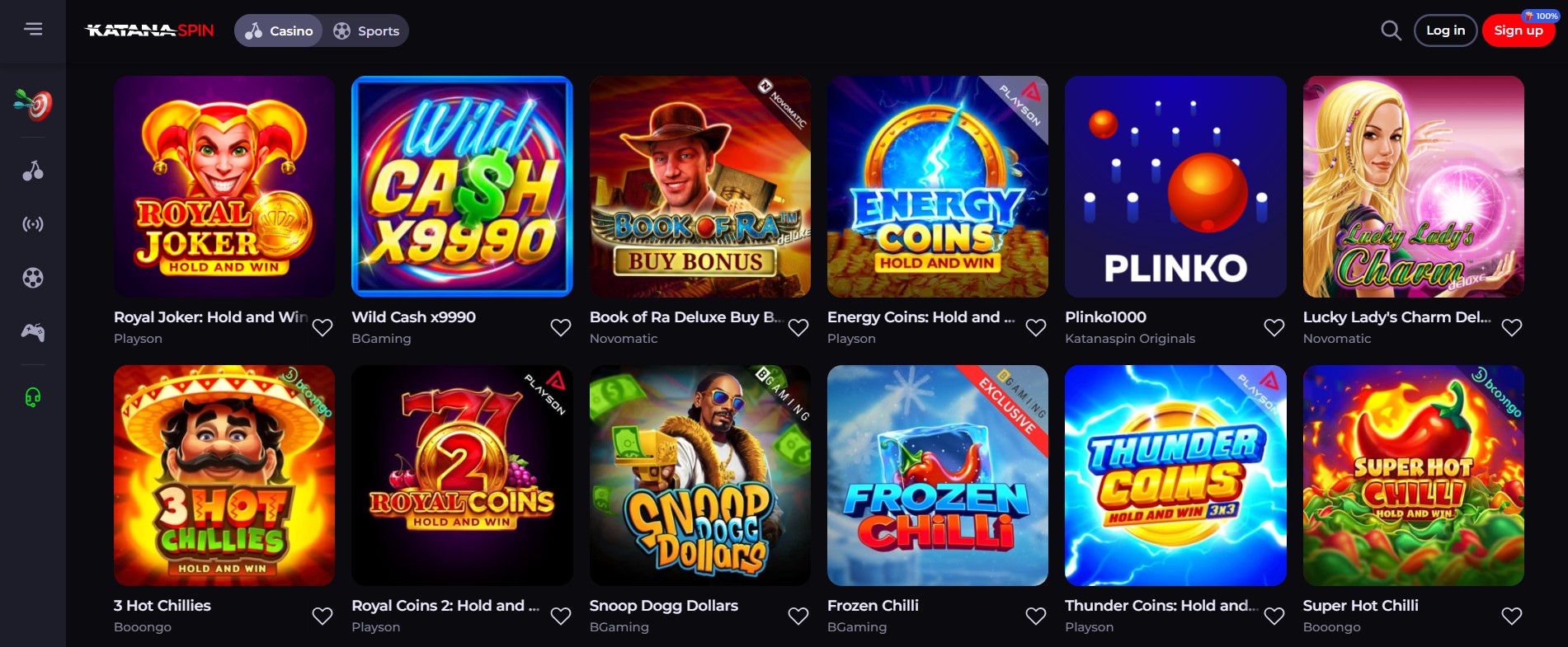
Sign in only if you feel comfortable doing so‚ then look for account settings‚ responsible-gambling controls or the help section. If there is a clear closure option‚ read the confirmation screen carefully: it may describe a cooling-off period‚ a temporary block or permanent closure. If the option is unavailable or unclear‚ contact customer support using the contact method published on the site.
- State what you want: Explain whether you are requesting temporary account closure‚ permanent closure‚ self-exclusion or information about deleting personal data.
- Provide identifying details safely: Give only the information support requests through an appropriate channel. Do not include your password or complete card details.
- Ask about practical consequences: Confirm what happens to the balance‚ pending withdrawals‚ active bonuses and account records.
- Request written confirmation: Ask for confirmation of the restriction or closure and its effective date.
- Keep the response: Save the support ticket or email so you have a record if access remains available or an issue arises later.
For a responsible-gambling request‚ be direct. You do not have to provide a lengthy explanation to ask for a restriction. If you are worried that you may continue gambling while waiting for a reply‚ stop using the account‚ remove saved payment methods where possible and consider blocking gambling transactions through your bank. A website account closure alone may not prevent access to other gambling services.
Account closure‚ self-exclusion and data deletion are different
Closing an account
Closure generally prevents or limits further use of a particular account. The operator may retain some records for legal‚ regulatory‚ fraud-prevention or financial reasons. Closing an account does not necessarily erase all personal data‚ nor does it automatically exclude you from other gambling websites.
Self-exclusion
Self-exclusion is a tool intended to help someone stop gambling for a specified period or longer‚ subject to the operator’s available options and rules. Ask the operator to explain the duration‚ whether the restriction can be reversed‚ and what happens to marketing communications. If you are in the UK and want a wider barrier‚ check whether GAMSTOP is appropriate and which operators it covers.
Personal-data requests
A request to delete personal data is not always the same as deleting an account. UK data-protection rights depend on the circumstances‚ and organisations may have lawful reasons to retain certain records. Contact the operator’s privacy or data-protection contact listed in its current privacy notice if you want to make a data request. Specify the information you are asking about and request an explanation if some data cannot be erased.
Choosing whether to continue playing
People researching katana spin uk instant play casino may be comparing game access‚ account controls and payment options. Whatever the reason for visiting‚ do not treat “instant play” as a reason to rush a decision. Before using any online casino‚ check that the operator is authorised to serve customers in Great Britain‚ read the terms‚ and understand deposit limits‚ withdrawal rules and responsible-gambling tools.
If your goal is simply to stop using Katana Casino‚ there is no need to make another deposit or claim a bonus before leaving. If gambling has become difficult to control‚ prioritise a strong exclusion and seek support rather than trying to recover losses. Gambling should not be used as a way to solve money problems.
Questions and answers
Can I close my account while a withdrawal is pending?
Ask customer support before submitting a closure request. A pending withdrawal may still be processed‚ but the operator may need to complete identity or payment checks. Keep the transaction reference and written updates. Do not create another account to work around a delay.
Will account deletion remove all my personal information?
Not necessarily. Account access can be closed while some records remain subject to legal or regulatory retention requirements. For details‚ consult the current privacy notice and contact the operator’s privacy team.
Can I reopen a closed account?
That depends on the type of restriction and the operator’s rules. A temporary break may have a different process from permanent self-exclusion. Do not assume that a closure can be reversed; ask for the terms in writing before choosing an option.
What if I cannot sign in?
Contact support through the official site using the account email address if possible. Explain that you cannot access the account and want it closed or restricted. Be cautious of unofficial phone numbers‚ social-media accounts and links sent by strangers.
Where can I get help with gambling harm in the UK?
GamCare offers information and support for people affected by gambling. You can also speak with your bank about gambling-payment blocks and visit NHS services for guidance. If you are in immediate danger or feel unable to keep yourself safe‚ contact emergency services.
A practical final checklist
- Choose the right action: account closure‚ self-exclusion or a personal-data request.
- Check your balance‚ pending withdrawals‚ bonuses and unresolved support cases.
- Use only contact details published on the operator’s official website.
- Ask for the effective date and written confirmation.
- Save relevant messages and transaction records securely.
- If gambling is causing harm‚ use exclusion tools and seek independent support.
Taking control of an online account should be straightforward‚ but the exact procedure depends on the current operator policy and your circumstances. Make your request clearly‚ protect your personal information and keep a record of the response. If your reason for leaving is concern about gambling‚ choose measures that help you stay away—not merely a change of account settings.